



 +91-6280082254

Reviewed by
Dr. Lovedeep Singh Chauhan MCh Surgical Oncology (Tata Memorial Hospital, Mumbai), Consultant Surgical Oncologist, Max Super Speciality Hospital, Mohali, Punjab
Introduction
When a cancer diagnosis is confirmed, one of the first questions patients and families ask is: "What kind of treatment will I need?" For many cancers, the answer involves either chemotherapy, targeted therapy, or a combination of both and understanding the difference between the two can be overwhelming.
Patients from Mohali, Chandigarh, Patiala, Ludhiana, and across Punjab often come to the OPD with this exact confusion. This blog is written to help you understand these two treatment approaches in clear, simple language so you can have a more informed conversation with your oncologist.
What Is Chemotherapy?
Chemotherapy uses powerful chemical drugs to kill rapidly dividing cells in the body. Since cancer cells divide faster than most normal cells, chemotherapy targets them aggressively. However, because these drugs travel through the entire bloodstream, they can also affect healthy fast-dividing cells such as those in hair follicles, the digestive tract lining, and bone marrow.
Chemotherapy is typically used before surgery (neoadjuvant), after surgery (adjuvant), or as the primary treatment when surgery is not an option. It can be given intravenously (through a drip) or in oral tablet form, depending on the cancer type and treatment protocol.
It is one of the most widely used cancer treatments globally and remains the standard of care for many cancer types, including certain colorectal, gynecological, and head and neck cancers.
What Is Targeted Therapy?
Targeted therapy is a newer class of cancer treatment that works differently from chemotherapy. Instead of broadly attacking all fast-dividing cells, targeted drugs identify and attack specific proteins, genes, or pathways that are uniquely present or overactive in cancer cells.
Think of chemotherapy as a wide net and targeted therapy as a precision tool — it is designed to go after specific molecular features of the tumour. For this to work, the cancer must first be tested for specific biomarkers or gene mutations that make it eligible for targeted treatment.
Common examples include HER2-targeted therapy in breast cancer, EGFR inhibitors in certain lung cancers, and BRAF inhibitors in some colorectal cancers. Targeted therapy is usually given as oral tablets or intravenous infusions and is often combined with chemotherapy or immunotherapy for better results.
Key Differences Between Chemotherapy and Targeted Therapy
Understanding how these treatments differ helps patients and families prepare better and set realistic expectations.
1. Mechanism of Action
Chemotherapy works by killing all rapidly dividing cells — both cancerous and normal. Targeted therapy, on the other hand, specifically targets molecular markers or pathways unique to cancer cells, leaving most healthy cells unaffected.
2. Who Can Receive It?
Chemotherapy can be used for almost any cancer type, regardless of specific biomarkers. Targeted therapy, however, is only suitable for patients whose tumour tests positive for specific genetic mutations or protein markers. Not all cancers are eligible for targeted therapy.
3. Side Effect Profile
Chemotherapy side effects are broader and more intense — including hair loss, nausea, vomiting, fatigue, mouth sores, and low immunity. Targeted therapy generally causes fewer severe side effects, but it can still cause skin rashes, diarrhoea, liver toxicity, and high blood pressure, depending on the drug used.
4. Duration and Administration
Chemotherapy is usually given in cycles a few days of treatment followed by a recovery period. Targeted therapy may be taken daily as oral tablets or given as infusions at longer intervals, making it more convenient for many patients.
5. Cost
Targeted therapy drugs are typically more expensive than conventional chemotherapy. However, the cost has been gradually decreasing as more generic versions become available in India, and some therapies are covered under government cancer care schemes.
Which Cancers Are Treated with Chemotherapy vs Targeted Therapy?
The choice of treatment depends on the cancer type, stage, molecular profile, and the overall health of the patient. Here is a general overview:
Chemotherapy is commonly used in:
- Colorectal cancers (FOLFOX, FOLFIRI regimens)
- Gynecological malignancies such as ovarian and cervical cancer
- Head and neck cancers
- Breast cancer (especially triple-negative subtype)
- Urological cancers like bladder cancer
Targeted therapy is commonly used in:
- HER2-positive breast cancer (Trastuzumab)
- Thyroid cancers and certain endocrine malignancies (Lenvatinib, Sorafenib)
- Specific colorectal cancers with RAS/BRAF mutations (Cetuximab, Bevacizumab)
- Ovarian cancers with BRCA mutations (PARP inhibitors)
- Urological cancers such as kidney (renal cell) carcinoma (Sunitinib, Cabozantinib)
It is important to understand that many patients receive both — a combination of chemotherapy and targeted therapy especially in advanced or metastatic disease.
The Role of Biomarker Testing Before Treatment
Before starting targeted therapy, your oncologist will recommend molecular profiling or biomarker testing that may include IHC (Immunohistochemistry), FISH testing, or Next Generation Sequencing (NGS) of the tumour sample. This step is critical because starting a targeted therapy without the right biomarker is ineffective and expensive.
In Punjab, patients visiting oncologists in Mohali, Chandigarh, and Ludhiana can now access advanced molecular testing facilities at tertiary hospitals, which has significantly improved access to precision cancer care in the region.
How Does Surgical Oncology Fit Into This?
Both chemotherapy and targeted therapy are non-surgical treatments; they are medical oncology interventions. However, they are closely integrated with surgical oncology in many treatment plans.
Dr. Lovedeep Singh Chauhan, a Surgical Oncologist in Punjab practising at Max Super Speciality Hospital, Mohali, works within a multidisciplinary team (MDT) that includes medical oncologists, radiation oncologists, and pathologists. For cancers such as colorectal cancer, breast cancer, and ovarian cancer, the surgical plan is often designed around how the tumour has responded to chemotherapy or targeted therapy given before surgery.
For patients with colorectal cancers, gynecological malignancies, head and neck cancers, breast cancers, endocrine malignancies, and urological malignancies, the surgical decision is made after reviewing biomarker reports, imaging, and response to prior systemic therapy. This integrated approach ensures that every patient receives the most appropriate and personalised treatment plan.
What Should Patients from Punjab Know Before Starting Treatment?
Whether you are seeking cancer care in Patiala, Ludhiana, Mohali, or Chandigarh, here are a few practical points to keep in mind:
Always get a second opinion on your biopsy and molecular report before starting any treatment. A small error in report interpretation can lead to the wrong treatment choice.
Ask your oncologist specifically whether your tumour has been tested for targetable mutations. Many patients miss out on more effective targeted therapy simply because biomarker testing was not done.
Understand the goal of treatment before starting — is it curative (aiming to eliminate cancer) or palliative (aiming to control and improve quality of life)? This will shape your expectations and decisions.
Discuss side effect management upfront. Both chemotherapy and targeted therapy have manageable side effects when addressed proactively with your treating team.
Conclusion
Chemotherapy and targeted therapy are both effective cancer treatments, but they work in fundamentally different ways and are used for different patient profiles. Understanding the difference empowers you to ask the right questions and participate meaningfully in your treatment decisions.
If you or a family member has recently been diagnosed with cancer and is unsure about which treatment is appropriate, consulting a specialist at a comprehensive cancer care centre is the most important first step. Dr. Lovedeep Singh Chauhan and his multidisciplinary team at Max Super Speciality Hospital, Mohali, are available to evaluate your case, review your reports, and guide you through the most appropriate treatment pathway.
Frequently Asked Questions (FAQs)
Disclaimer
This blog is intended for general educational and informational purposes only. It does not constitute medical advice, diagnosis, or a treatment recommendation. Cancer treatment decisions must always be made in consultation with a qualified and registered oncologist based on individual clinical evaluation, pathology reports, and imaging findings. Dr. Lovedeep Singh Chauhan and the team at Max Super Speciality Hospital, Mohali, follow evidence-based treatment protocols in accordance with MCI (NMC) guidelines and national/international oncology standards. If you have concerns about your health, please consult a medical professional promptly.
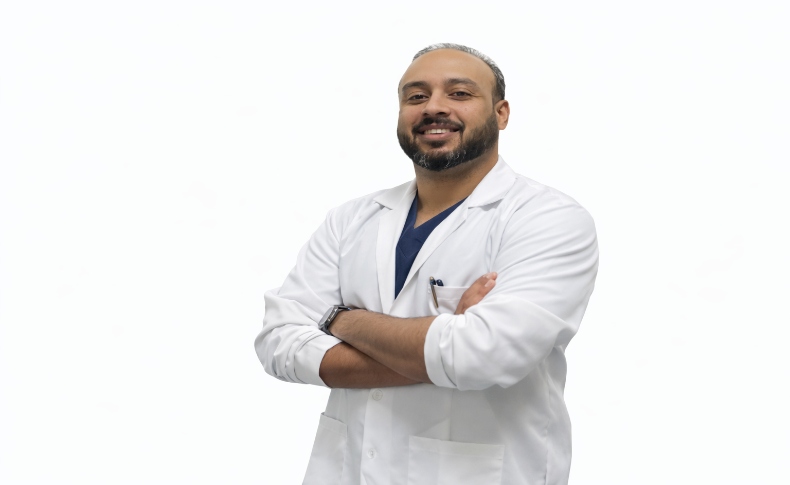
Dr. Lovedeep Singh Chauhan
Dr. Lovedeep Singh Chauhan is a Consultant in Surgical Oncology at Max Super Speciality Hospital, Mohali (2023–present). He has received advanced training in cancer surgery from leading national institutes and has academic, clinical, and research experience across multiple subspecialties of surgical oncology.


