



 +91-6280082254

Reviewed by
Dr. Lovedeep Singh Chauhan MS, MCh (Surgical Oncology) | Senior Surgical Oncologist Trained at Tata Memorial Hospital, Mumbai Practicing at Max Super Speciality Hospital, Mohali This article is written for patient education purposes only and does not constitute personal medical advice.
Introduction
If you or a loved one has recently been diagnosed with cancer, one of the first questions that comes to mind is — what kind of surgery will I need? In recent years, robotic cancer surgery has emerged as one of the most advanced and precise methods available in India, and more patients from cities like Chandigarh, Mohali, and Panchkula are now able to access this technology close to home.
This guide explains everything you need to know about robotic cancer surgery — how it works, which cancers it treats, what the benefits and risks are, and what recovery looks like. The goal is to help you have a better, more informed conversation with your surgical oncologist in Punjab.
What Is Robotic Cancer Surgery?
Robotic cancer surgery is a type of minimally invasive surgery where the surgeon operates using a robotic system — most commonly the da Vinci Surgical System. The surgeon sits at a console and controls robotic arms with extreme precision, guided by a high-definition 3D camera inside the patient's body.
It is important to understand that the robot does not operate on its own. The surgeon is fully in control at every step. The robotic system simply extends the surgeon's hand movements with greater accuracy, stability, and range of motion than is possible with the human hand alone.
This technology is particularly valuable in cancer surgeries, where millimetre-level precision — especially around nerves, blood vessels, and healthy tissue — can make the difference between a complete cure and a complication.
Which Cancers Can Be Treated with Robotic Surgery?
Robotic surgery is not limited to one type of cancer. Dr. Lovedeep Singh Chauhan performs robotic and minimally invasive surgical oncology for a wide range of cancer types, including:
Colorectal Cancers
Rectal and colon cancer surgeries benefit enormously from robotic precision, especially in organ-preserving procedures where the goal is to remove the tumour while saving bowel function.
Gynecological Malignancies
Cancers of the uterus, cervix, and ovaries are increasingly being treated with robotic-assisted surgery, allowing full tumour removal with faster recovery and less blood loss.
Endocrine Malignancies
Thyroid and adrenal cancers require extremely careful dissection around critical structures. Robotic surgery provides the fine motor control needed for safe removal.
Urological Malignancies
Prostate, kidney, and bladder cancers are among the most common robotic surgery candidates globally, with excellent outcomes for appropriately selected patients.
Head & Neck Cancers
Transoral robotic surgery (TORS) allows surgeons to access and remove tumours in the throat and base of the tongue without external cuts, reducing disfigurement significantly.
Breast Cancers
Selected breast cancer cases, particularly those requiring lymph node dissection or gland removal, can now be approached robotically through very small incisions.
If you are travelling from areas like Ropar, Kharar, or Zirakpur and want to know whether your specific cancer type qualifies for robotic surgery, a consultation with a surgical oncologist is the best starting point.
How Is Robotic Surgery Different from Open and Laparoscopic Surgery?
Traditional open surgery involves a large cut in the abdomen or chest, which gives the surgeon direct access but causes significant tissue trauma, blood loss, and a long recovery.
Laparoscopic surgery uses small cuts and long instruments, but the surgeon works in a two-dimensional view with limited range of motion — the tools do not bend, and controlling them requires significant physical effort and experience.
Robotic surgery combines the minimally invasive approach of laparoscopy with major upgrades — 3D high-definition vision, instrument tips that can rotate 360 degrees, and tremor filtration that makes even the steadiest human hand more precise. For complex cancer resections, this translates to better outcomes and a more comfortable recovery for the patient.
Key Benefits of Robotic Cancer Surgery
Robotic surgery offers several meaningful advantages over conventional approaches, particularly for cancer patients who are often already dealing with the physical toll of their diagnosis:
Less blood loss — Smaller incisions and precise dissection reduce intraoperative bleeding significantly, which matters greatly for patients who may not tolerate large blood losses well.
Reduced infection risk — Smaller wounds mean a lower chance of post-operative wound infections, which can otherwise delay chemotherapy or radiation schedules.
Shorter hospital stay — Most robotic cancer surgery patients are discharged within 2–4 days, compared to 7–10 days for open surgery, allowing them to return to family and recovery at home sooner.
Less post-operative pain — Patients consistently report lower pain scores after robotic surgery, leading to reduced dependence on strong painkillers and a more comfortable recovery.
Faster return to normal life — For working patients and those with family responsibilities, the ability to resume light activities within 2–3 weeks instead of 6–8 weeks is a significant quality-of-life benefit.
Better cosmetic outcomes — Particularly relevant for breast cancer and head and neck surgeries, where minimising visible scarring matters to patients’ confidence and emotional recovery.
What Are the Risks of Robotic Cancer Surgery?
Like all surgical procedures, robotic surgery carries risks. Being aware of them helps you ask the right questions before giving consent.
Longer operation time — Robotic surgeries can take longer to set up and perform than open surgery in some cases, which increases anaesthesia time. This is less of a concern with an experienced surgeon.
Not suitable for all cases — Very large tumours, cancers that have invaded multiple organs, or patients with prior extensive abdominal surgeries may not be good candidates. Your surgeon will assess this carefully.
Equipment dependency — Robotic systems require functioning technology throughout the procedure. In rare cases, a technical issue may require switching to laparoscopic or open surgery mid-procedure.
Learning curve — The outcomes from robotic surgery are highly dependent on the surgeon’s experience with the robotic platform. It is important to choose a surgeon with dedicated robotic oncology training, not simply a general surgeon who occasionally uses the system.
Cost — Robotic surgery is more expensive than conventional surgery and may not always be covered fully by insurance. Discuss this clearly with your hospital and insurance provider before scheduling.
What to Expect: Before, During & After Robotic Cancer Surgery
Before Surgery — You will undergo a full pre-operative evaluation including blood tests, imaging, anaesthesia assessment, and a detailed surgical consent discussion. You may be asked to stop certain medications, fast from midnight before surgery, and complete bowel preparation if your surgery involves the intestines.
[→ Read our complete Pre-Surgery Cancer Patient Checklist for a detailed preparation guide]
During Surgery — You will be under general anaesthesia throughout. The surgical team makes 3–5 small incisions (usually less than 1 cm each), inserts the robotic instruments and camera, and performs the operation with the surgeon guiding the robotic arms from a console in the same room. Most cancer surgeries take between 2–5 hours depending on complexity.
After Surgery — You will wake up in the recovery area and be moved to the ward once stable. Pain management, early mobilisation (usually walking the next day), and diet progression begin quickly. Most patients go home within 2–4 days.
[→ Read our Post-Cancer Surgery Recovery Checklist for your complete at-home guide]
Recovery Timeline: What Is Realistic?
Understanding the recovery timeline helps patients and families plan better:
Day 1–2 — Rest in hospital, IV fluids, short walks with nurse assistance, light liquids.
Day 3–5 — Discharge home for most patients, oral diet begins, wound care instructions given.
Week 1–2 — Rest at home, avoid driving and lifting, follow-up appointment to check wounds and pathology report.
Week 3–4 — Most patients resume light daily activities, short outdoor walks, light cooking.
Week 6–8 — Return to work (office/desk jobs), resume normal diet fully, oncology team reviews next treatment steps if needed.
Individual recovery depends on the type of cancer, the extent of surgery, and the patient’s overall health. Always follow your surgeon’s specific instructions rather than general timelines.
Is Robotic Cancer Surgery Available in Punjab?
Yes. Patients across Punjab — including those from Ludhiana, Patiala, Sirhind, and surrounding districts — no longer need to travel to Delhi or Mumbai for robotic oncology surgery. As an oncologist in Punjab, Dr. Lovedeep Singh Chauhan performs robotic-assisted cancer surgeries at Max Super Speciality Hospital, Mohali, which is conveniently accessible from across the Tricity region and the broader Punjab belt.
If you have been recently diagnosed and are wondering whether robotic surgery is the right option for your case, an in-person consultation is the best way to know.
Conclusion
Robotic cancer surgery represents a genuine step forward in how cancer is treated surgically — offering patients better precision, faster recovery, and in many cases, improved quality of life after treatment. It is not the right choice for every patient or every cancer, but for those who qualify, it can make a significant difference
The most important decision you can make is to consult a trained surgical oncologist who can review your diagnosis, imaging, and overall health before recommending a treatment path.
Frequently Asked Questions (FAQs)
Disclaimer
This article is intended solely for general patient education and awareness. It does not constitute medical advice, diagnosis, or a treatment recommendation for any individual. Cancer treatment decisions must be made in consultation with a qualified surgical oncologist based on your specific diagnosis, staging, and overall health. Dr. Lovedeep Singh Chauhan and this website do not claim guaranteed outcomes from any surgical procedure. Individual results vary based on cancer type, stage, patient health, and other clinical factors. All patient stories and references in this website follow anonymisation and consent protocols as required under applicable Indian medical ethics guidelines
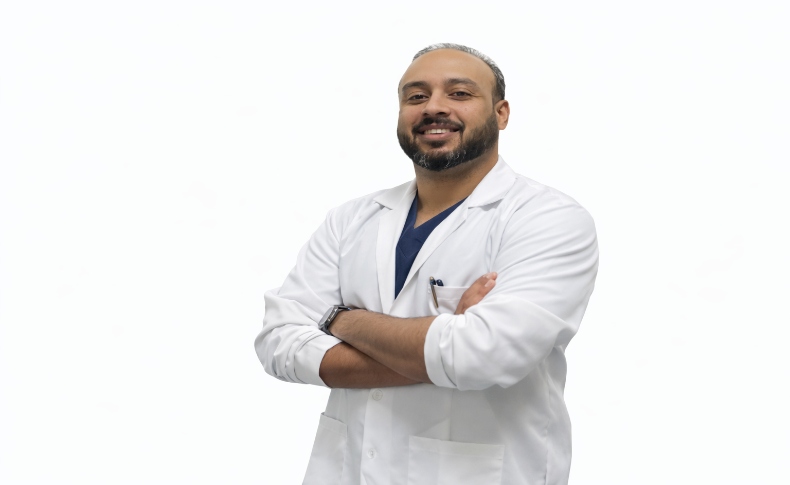
Dr. Lovedeep Singh Chauhan
Dr. Lovedeep Singh Chauhan is a Consultant in Surgical Oncology at Max Super Speciality Hospital, Mohali (2023–present). He has received advanced training in cancer surgery from leading national institutes and has academic, clinical, and research experience across multiple subspecialties of surgical oncology.


