



 +91-6280082254

.webp)
Reviewed by
Dr. Lovedeep Singh Chauhan MCh Surgical Oncology (Tata Memorial Hospital, Mumbai), Consultant Surgical Oncologist, Max Super Speciality Hospital, Mohali
Last Updated: May 2026
Introduction: A New Era of Cancer Surgery in India
Cancer surgery in India has undergone a remarkable transformation over the past decade. What once required large incisions, prolonged hospital stays, and months of recovery can now, in many cases, be performed through tiny cuts using cameras, robotic arms, and precision instruments.
In 2026, minimally invasive cancer surgery is no longer a luxury available only in metro cities. Patients in Punjab from Mohali and Chandigarh to Patiala and Ludhiana now have access to world-class surgical oncology at regional centres of excellence.
This update covers the latest techniques, what conditions they apply to, and what patients should realistically expect from these advances.
What Is Minimally Invasive Cancer Surgery?
Minimally invasive surgery (MIS) refers to surgical procedures performed through small incisions typically 0.5 to 1.5 cm using a camera (laparoscope or robotic system) and specialised instruments. Unlike open surgery, the surgeon does not need to cut through large areas of tissue to reach the tumour.
The benefits are well-documented: less blood loss, shorter hospital stays, reduced post-operative pain, faster return to normal activity, and lower risk of wound complications. However, the suitability of MIS depends on the cancer type, its stage, and the patient's overall condition.
Not every cancer is operable through minimally invasive methods and an experienced surgical oncologist will assess each case individually before recommending the approach.
Key Advances in 2026: What's New in India?
1. Robotic-Assisted Surgery Now More Accessible
Robotic surgery has seen the most significant expansion in India in recent years. Platforms such as the da Vinci Surgical System and the indigenously developed SSI Mantra robotic system have made robotic-assisted procedures more accessible across Indian hospitals, including at centres in Punjab.
Robotic systems offer the surgeon enhanced 3D visualisation, a greater range of motion than human hands, and tremor filtration all of which translate into more precise dissection around delicate structures like nerves and blood vessels.
In 2026, robotic surgery is being increasingly used for colorectal cancers, gynecological malignancies, urological cancers (especially prostate and kidney), and selected cases of gastric and rectal cancer. Dr. Lovedeep Singh Chauhan performs robotic cancer surgery at Max Super Speciality Hospital, Mohali, applying this technique where it offers a clear clinical advantage.
2. Laparoscopic Surgery Refined Techniques and Wider Applications
Laparoscopic (keyhole) surgery remains the workhorse of minimally invasive oncology. In 2026, refined techniques and improved imaging have expanded its use to more complex cases that were previously considered suitable only for open surgery.
High-definition and 4K laparoscopic systems now provide surgeons with unprecedented clarity of the operative field. This is particularly relevant in colorectal surgery, where precise lymph node clearance and nerve preservation are critical to both cancer control and quality of life.
In northern India, including Chandigarh, Mohali, and surrounding cities, laparoscopic cancer surgeries are now being performed for colon and rectal cancers, early gastric cancer, selected liver and pancreatic procedures, and certain breast and gynecological procedures.
3. HIPEC and CRS Transforming Peritoneal Cancer Care
Cytoreductive Surgery (CRS) combined with Hyperthermic Intraperitoneal Chemotherapy (HIPEC) has become a standard treatment option for selected patients with peritoneal surface malignancies — cancers that have spread to the lining of the abdomen.
Conditions treated with CRS + HIPEC include peritoneal metastases from colorectal cancer, ovarian cancer, appendiceal tumours, and certain gastric cancers. The procedure involves surgically removing all visible tumour deposits, followed by bathing the abdominal cavity with heated chemotherapy drugs.
While CRS + HIPEC is technically demanding and not suitable for every patient, it offers meaningful survival benefits in carefully selected cases. It is available at select centres in Punjab and the wider Chandigarh region. Dr. Lovedeep Singh Chauhan, trained at Tata Memorial Hospital, Mumbai, offers this procedure as part of his surgical oncology practice.
Related Reading: Complex Ovarian Cancer with HIPEC: Case Study of Advanced Peritoneal Disease Management.
4. PIPAC A Newer Option for Advanced Peritoneal Disease
Pressurised Intraperitoneal Aerosol Chemotherapy (PIPAC) is a relatively newer laparoscopic procedure in which chemotherapy is delivered as a fine aerosol mist directly into the abdominal cavity under pressure. This allows better drug penetration into peritoneal tumour deposits compared to systemic chemotherapy.
PIPAC is primarily used in patients with advanced peritoneal disease who are not candidates for CRS + HIPEC. It can be repeated in cycles and is generally well-tolerated. In India, PIPAC is now available at a small number of specialised centres, representing a significant step forward in managing difficult-to-treat peritoneal cancers.
5. Organ-Preserving Surgery Quality of Life at the Centre
One of the most meaningful advances in surgical oncology in 2026 is the growing emphasis on organ preservation particularly in rectal cancer, breast cancer, and head and neck cancers.
In rectal cancer, techniques such as transanal minimally invasive surgery (TAMIS) and robotic total mesorectal excision (TME) allow surgeons to remove the tumour while preserving sphincter function in carefully selected patients sparing them from a permanent colostomy.
In breast cancer, breast-conserving surgery (lumpectomy) combined with oncoplastic reconstruction has become the preferred approach for eligible patients, offering equivalent cancer control to mastectomy with a better cosmetic outcome.
For patients in Ludhiana, Patiala, Mohali, and Chandigarh, these organ-preserving options are now accessible locally, avoiding the need to travel to Delhi or Mumbai for advanced cancer care.
Related Reading: Successful Organ-Preserving Surgery in Early Rectal Cancer: A Case-Based Overview.
Cancers Treated with Minimally Invasive Techniques at Dr. Chauhan's Practice
Dr. Lovedeep Singh Chauhan, a leading oncologist in Punjab, applies minimally invasive techniques across a broad range of cancer types, depending on individual patient suitability and tumour characteristics:
Colorectal Cancers: Laparoscopic and robotic colectomy, anterior resection, and abdominoperineal resection for colon and rectal cancers.
Gynecological Malignancies: Minimally invasive surgery for ovarian cancer, endometrial (uterine) cancer, cervical cancer, and vulvar cancer — with nerve-sparing and fertility-preserving approaches where appropriate.
Urological Malignancies: Laparoscopic and robotic nephrectomy for kidney cancer, radical prostatectomy for prostate cancer, and cystectomy for bladder cancer.
Endocrine Malignancies: Minimally invasive thyroidectomy and parathyroidectomy, adrenal gland surgery (adrenalectomy) for adrenal tumours.
Head and Neck Cancers: Selected neck dissections and thyroid surgeries using minimally invasive approaches where oncologically safe.
Breast Cancers: Breast-conserving surgery, sentinel lymph node biopsy, and oncoplastic reconstruction for eligible breast cancer patients.
What Has Not Changed — And Shouldn't
Despite these advances, several principles remain constant in responsible surgical oncology practice.
Patient selection is everything. Not every patient is a candidate for minimally invasive surgery. Tumour stage, location, prior treatments, and overall health are all carefully evaluated before a surgical approach is decided. A well-performed open surgery is always superior to a poorly executed minimally invasive one.
Multidisciplinary care remains essential. Surgery is one part of cancer treatment. Decisions about chemotherapy, radiotherapy, targeted therapy, and immunotherapy are made in a multidisciplinary tumour board setting not by the surgeon alone.
Outcomes over aesthetics. Smaller scars are a welcome benefit, but the primary goal of cancer surgery is complete tumour removal with clear margins and appropriate lymph node clearance. These oncological principles do not change regardless of the technique used.
Related Reading: How to Choose the Right Cancer Treatment Based on Stage.
Why Patients from Across Punjab Are Choosing Local Surgical Oncology
A few years ago, patients from Mohali, Patiala, Ludhiana, and other cities in Punjab routinely travelled to Delhi or Mumbai for advanced cancer surgery. That pattern has shifted considerably.
Centres like Max Super Speciality Hospital, Mohali now offer internationally benchmarked surgical oncology, including robotic surgery, HIPEC, and complex minimally invasive procedures. For patients and families, receiving treatment closer to home means easier access to support systems, less travel-related stress, and more manageable follow-up care.
Dr. Lovedeep Singh Chauhan brings the training and experience of Tata Memorial Hospital, Mumbai one of India's premier cancer institutions to patients in Punjab and the wider Chandigarh-Tricity region.
Conclusion
Minimally invasive cancer surgery in India has advanced significantly, and patients in Punjab no longer need to look beyond their region for high-quality surgical oncology. From robotic surgery and laparoscopic techniques to HIPEC and organ-preserving approaches, the options available in 2026 are genuinely transformative.
The most important step remains the same as always: an accurate diagnosis, an honest conversation with your surgical team, and a treatment plan tailored to your specific cancer, stage, and overall health.
If you or a family member has received a cancer diagnosis and would like to understand which surgical approach may be appropriate, Dr. Lovedeep Singh Chauhan is available for consultations at Max Super Speciality Hospital, Mohali.
Frequently Asked Questions (FAQs)
Disclaimer
This blog is intended for general informational and educational purposes only. It does not constitute medical advice, diagnosis, or a treatment recommendation. Cancer treatment decisions must be made in consultation with a qualified surgical oncologist based on your individual diagnosis, staging, imaging, and overall health. The content on this page follows the ethical guidelines of the Medical Council of India (MCI) / National Medical Commission (NMC) and does not make any claims of guaranteed outcomes. If you have received a cancer diagnosis, please consult a qualified oncologist promptly.
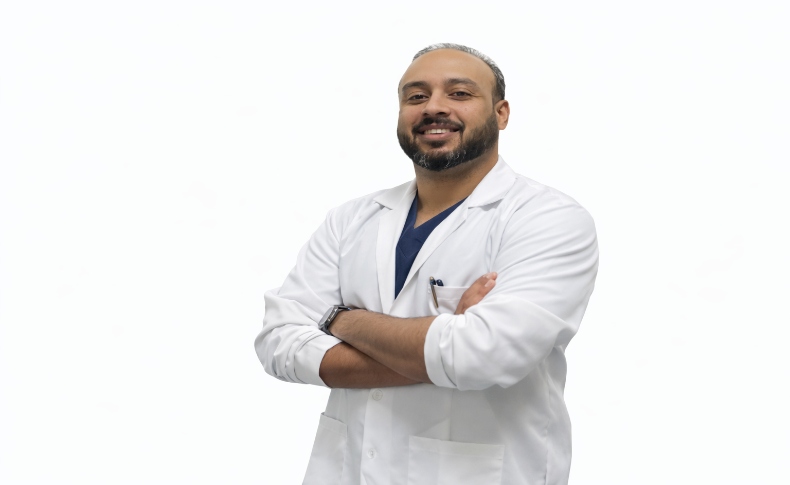
Dr. Lovedeep Singh Chauhan
Dr. Lovedeep Singh Chauhan is a Consultant in Surgical Oncology at Max Super Speciality Hospital, Mohali (2023–present). He has received advanced training in cancer surgery from leading national institutes and has academic, clinical, and research experience across multiple subspecialties of surgical oncology.


