



 +91-6280082254

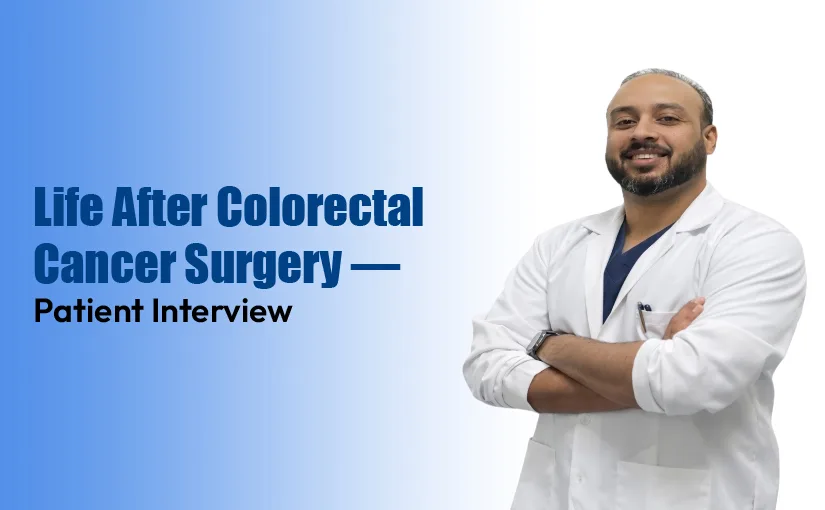
Category: Interview | Reading Time: 7 min | Published: May 2026
Published by
Dr. Lovedeep Singh Chauhan MCh (Surgical Oncology), Tata Memorial Hospital | Consultant Surgical Oncologist, Max Super Speciality Hospital, Mohali
Review Date: May 2026
Introduction
A cancer diagnosis can feel like the ground disappearing beneath your feet. For many patients across Punjab — whether in Mohali, Patiala, Ludhiana, or Chandigarh the journey from diagnosis to recovery involves fear, difficult decisions, and ultimately, hope.
This blog features a patient interview — a real-life account from a colorectal cancer survivor who underwent surgery at Max Super Speciality Hospital, Mohali, under the care of Dr. Lovedeep Singh Chauhan, Consultant Surgical Oncologist. His story reflects what thousands of patients across North India experience, and what is possible with timely diagnosis, expert surgical care, and the right support system.
Note: To protect the patient's privacy, the name has been changed. The clinical details are shared with consent and have been reviewed for accuracy.
About the Patient
Name (changed): Harpreet Singh
Age: 54
Hometown: Patiala, Punjab
Diagnosis: Stage II Colorectal Cancer (Sigmoid Colon Adenocarcinoma)
Treatment: Laparoscopic-assisted sigmoid colectomy
Treating Surgeon: Dr. Lovedeep Singh Chauhan, Surgical Oncologist at Max Hospital, Mohali
Part 1: The Diagnosis — "I Ignored the Signs for Almost a Year"
Q: When did you first notice something was wrong?
I had been experiencing changes in my bowel habits for about eight to ten months before I finally went to a doctor. There was occasional blood in the stool, and I assumed it was just piles. I kept ignoring it, the way most of us do when we're busy with work and family.
It was my wife who pushed me to get a proper check-up. I went to a local hospital in Patiala first, where they did a colonoscopy and took a biopsy. That's when everything changed — the report came back as adenocarcinoma of the sigmoid colon.
Q: What was your first reaction?
Shock, mostly. Then denial. I kept thinking there had to be a mistake. Cancer was something that happened to others — not to someone who was otherwise healthy, working, and taking care of a family. It took me a few days just to accept the word "cancer" in relation to myself.
If you are unsure how to read your biopsy or staging report, our blog How to Read a Cancer Diagnosis Report: Understanding Biopsy, TNM Staging & Markers explains it in simple language.
Part 2: Finding the Right Surgeon — "Someone Recommended Dr. Lovedeep in Mohali"
Q: How did you find Dr. Lovedeep Singh Chauhan?
A relative in Chandigarh had seen Dr. Lovedeep for a different condition and spoke very highly of how he explains things to patients. We got an appointment at Max Hospital, Mohali, and from the very first consultation, I felt I was in the right place.
He didn't rush through the appointment. He reviewed all my reports, the colonoscopy, the biopsy, and the CT scan and explained exactly what stage I was at, what the surgery would involve, and what my recovery would look like. He answered every question my wife and I had without making us feel we were asking too much.
Q: Were you offered any options other than surgery?
Yes. He explained that for my stage Stage II sigmoid colon cancer surgery was the primary and most effective treatment. He also explained how the case would be reviewed by a multidisciplinary team including medical oncologists and radiation oncologists, so that all treatment angles were covered. That gave us a lot of confidence.
Want to understand how doctors decide between surgery, chemotherapy, and targeted therapy? Read our guide:How to Choose the Right Cancer Treatment Based on Stage
Part 3: Preparing for Surgery - "It Was More Organised Than I Expected"
Q: How did you prepare for the surgery?
Dr. Lovedeep's team gave us a full checklist of what to do before admission: blood tests, ECG, chest X-ray, bowel preparation, what medicines to stop, what to eat and what to avoid. Everything was explained clearly and in writing. I didn't feel lost at any point.
My family members who came from Ludhiana were also briefed about the procedure and what to expect after surgery. That was very reassuring for them.
Planning your surgery soon? Our detailed Pre-Surgery Cancer Patient Checklist: Tests, Diet, Medicines & Admission Guide will help you prepare step by step.
Q: Were you anxious before going into the operation theatre?
Honestly, yes. But Dr. Lovedeep visited me the evening before the surgery, explained the procedure once more, and answered my last-minute questions. That personal attention made a real difference. The anaesthesia team also came to assess me and explain what would happen during and after the procedure.
Part 4: The Surgery and Hospital Stay "I Was Walking by Day Two"
Q: What kind of surgery was performed?
I was told it would be a laparoscopic-assisted sigmoid colectomy, a minimally invasive procedure in which the diseased part of the colon is removed through small incisions rather than a large open cut. Dr. Lovedeep Singh Chauhan had explained that this approach typically means less pain, lower risk of complications, and faster recovery compared to traditional open surgery.
The surgery took around three to four hours, and I was moved to the ward the same evening. I was surprised that by the second day, the team encouraged me to sit up and take a few steps. I expected to be completely bedridden.
Q: How long was your hospital stay?
I was discharged on the fifth day after surgery. The wound was clean, my bowel function had started to return, and my vitals were stable. The discharge instructions included diet guidelines, wound care, and a clear follow-up schedule. Nothing was left ambiguous.
Recovering from cancer surgery? Our Post-Cancer Surgery Recovery Checklist: Diet, Wound Care & Follow-up Schedule covers everything you need to know after discharge.
Part 5: Recovery and Life After Surgery — "It Takes Time, But It Gets Better"
Q: What was recovery like at home?
The first two weeks were the hardest. I was tired easily, my appetite was low, and I was adjusting to dietary changes eating smaller, more frequent meals and avoiding high-fibre foods initially. But Dr. Lovedeep's team was available for any queries, and I had a follow-up scheduled within ten days of discharge.
By week four, I was walking for thirty minutes every day. By week eight, I had returned to light work. It was a gradual process, but with every follow-up appointment, I could see the progress clearly.
Q: Did you need any additional treatment after surgery?
My final histopathology report showed clear margins and no lymph node involvement. Based on that, the multidisciplinary team decided that observation and regular follow-up would be sufficient without the need for chemotherapy. That was a great relief.
Understanding your histopathology report after surgery can be confusing. Our blog Histopathology Report Explained: What Tumor Grade, Margins, and Lymph Nodes Mean simplifies it for patients.
Q: How has your quality of life been since surgery?
It has genuinely improved. I eat better than I did before, I exercise regularly, and I go for my follow-up colonoscopies as scheduled. I also have a better awareness of my body now. Cancer made me more careful about my health in a way I wasn't before.
Part 6: A Message to Other Patients
Q: What would you say to someone who has just received a colorectal cancer diagnosis?
Please do not panic, and please do not delay. I wasted nearly a year ignoring my symptoms. If I had acted sooner, maybe the stage would have been even earlier. Go to a specialist - not just a general physician. Find a surgical oncologist who takes the time to explain things to you.
For anyone in Punjab - whether you are in Mohali, Chandigarh, Patiala, or Ludhiana - good cancer care is available closer to home than you think. You don't have to travel to Delhi or Mumbai to get the right treatment.
If you've just received a diagnosis and don't know what to do next, read: What to Do After Receiving a Cancer Diagnosis: First 7 Steps Explained
About Dr. Lovedeep Singh Chauhan - Surgical Oncologist in Punjab
Dr. Lovedeep Singh Chauhan is a Consultant Surgical Oncologist at Max Super Speciality Hospital, Mohali. He holds an MCh in Surgical Oncology from Tata Memorial Hospital, Mumbai (HBNI) one of India's premier cancer institutions. He is one of the most experienced oncologists in Punjab, treating a wide range of cancers including:
- Colorectal Cancers - including adenocarcinoma, sigmoid colon cancer, rectal cancer, and GIST
- Gynecological Malignancies - including ovarian, cervical, endometrial, and uterine cancers
- Breast Cancers - including invasive ductal carcinoma, triple-negative, and HER2-positive subtypes
- Head and Neck Cancers - including mouth, laryngeal, thyroid, and salivary gland cancers
- Urological Malignancies - including prostate, bladder, kidney, and testicular cancers
- Endocrine Malignancies - including thyroid, adrenal, and parathyroid cancers
He performs minimally invasive laparoscopic and robotic cancer surgeries, as well as complex procedures like Cytoreductive Surgery (CRS), HIPEC, and PIPAC for peritoneal surface malignancies.
Patients from across Punjab including Mohali, Chandigarh, Patiala, Ludhiana, Kharar, Zirakpur, Panchkula, and Ropar consult Dr. Lovedeep Singh Chauhan for surgical oncology opinions and cancer surgery.
Frequently Asked Questions (FAQs)
Disclaimer
This blog is intended for general informational and educational purposes only. The patient interview has been published with consent, and identifying details have been changed to protect privacy. The clinical details shared are based on the patient's own account and have been reviewed for general medical accuracy. This content does not constitute medical advice and should not be used as a substitute for consultation with a qualified medical professional. For personalised guidance on cancer diagnosis, staging, and treatment, please consult Dr. Lovedeep Singh Chauhan or a certified surgical oncologist.
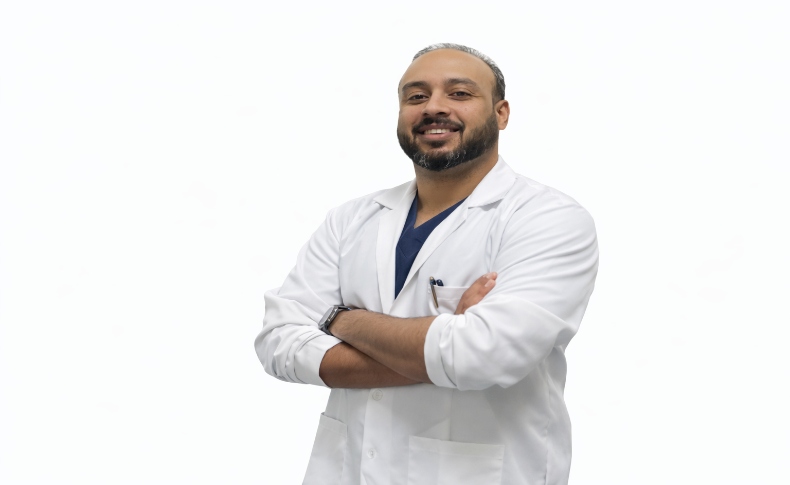
Dr. Lovedeep Singh Chauhan
Dr. Lovedeep Singh Chauhan is a Consultant in Surgical Oncology at Max Super Speciality Hospital, Mohali (2023–present). He has received advanced training in cancer surgery from leading national institutes and has academic, clinical, and research experience across multiple subspecialties of surgical oncology.


