



 +91-6280082254

Reviewed by
Dr. Lovedeep Singh Chauhan MCh Surgical Oncology (Tata Memorial Hospital, Mumbai), Consultant Surgical Oncologist, Max Super Speciality Hospital, Mohali
Introduction
When a cancer diagnosis is confirmed, one of the first questions patients and families ask is — how will the surgery be done? In modern surgical oncology, two of the most commonly discussed minimally invasive approaches are robotic surgery and laparoscopic surgery.
Both techniques are used instead of open surgery, meaning no large incision is needed. However, they are not the same. Understanding the difference between the two can help you have a more informed conversation with your surgical oncologist and make better decisions about your treatment.
This blog explains both techniques in plain language what they involve, where each is better suited, and how they compare across cancer types treated at Dr. Lovedeep Singh Chauhan's practice in Mohali, Punjab.
What Is Laparoscopic Cancer Surgery?
Laparoscopic surgery, often called keyhole surgery, involves making a few small cuts in the body. A thin camera (laparoscope) and surgical instruments are passed through these cuts. The surgeon operates by watching a video screen and manually controlling the instruments from outside the body.
This technique has been used in cancer surgery for over two decades and is well-established for several types of cancer. It significantly reduces pain, blood loss, and hospital stay compared to traditional open surgery.
Laparoscopic surgery works well for many straightforward cancer cases where the anatomy is clear and the procedure is relatively standard. Surgeons in Chandigarh and Mohali with appropriate training can perform a wide range of cancer operations using this approach.
What Is Robotic Cancer Surgery?
Robotic surgery is a more advanced form of minimally invasive surgery. The surgeon sits at a console a few feet away from the patient and controls robotic arms with high precision. The robotic system provides a 3D high-definition view of the surgical field and allows much finer, more controlled movements than the human hand can achieve alone.
The robotic platform most widely used is the da Vinci Surgical System. It does not operate independently — the surgeon is fully in control at every step.
Robotic surgery offers advantages in tight anatomical spaces, complex dissections, and cases where fine nerve or vessel preservation is critical. Dr. Lovedeep Singh Chauhan uses robotic-assisted surgery at Max Super Speciality Hospital, Mohali for carefully selected cancer cases where this approach offers a clear clinical benefit.
Related Read: Guide to Robotic Cancer Surgery: Benefits, Risks, and Recovery Explained
Key Differences: Robotic vs Laparoscopic Surgery
| Feature | Laparoscopic Surgery | Robotic Surgery |
|---|---|---|
| Camera View | 2D flat image | 3D high-definition |
| Instrument Movement | Limited range of motion | Wristed, multi-directional |
| Surgeon's Control | Direct hand movement | Console-based robotic arms |
| Precision in tight spaces | Moderate | High |
| Tremor filtration | No | Yes |
| Cost | Lower | Higher |
| Availability | Widely available | Specialist centres only |
| Recovery time | Short | Similar or slightly better |
Which Cancers Can Be Treated with Both Techniques?
Both robotic and laparoscopic approaches are used for a range of cancers. The choice depends on the cancer type, its stage, the patient's anatomy, and the surgeon's experience. Below is how Dr. Lovedeep Singh Chauhan applies both techniques across his areas of specialisation.
Colorectal Cancers
For rectal and colon cancers, laparoscopic surgery has a long track record and is supported by strong clinical evidence. Robotic surgery offers an advantage in low rectal cancers, where the surgeon needs to work deep in the pelvis with precision to preserve the nerves controlling bladder and sexual function.
Patients from Ludhiana, Patiala, and surrounding districts frequently seek surgical consultation at Max Mohali for colorectal cancer. Both techniques are considered based on tumour location and staging.
Related Read: Early Signs of Colorectal Cancer You Should Not Ignore
Gynecological Malignancies
In cancers of the cervix, uterus, and ovaries, minimally invasive surgery is increasingly preferred where staging permits. Robotic surgery is particularly useful for radical hysterectomy in cervical cancer, as it allows more precise dissection around the ureters, bladder, and pelvic vessels.
For advanced ovarian cancer with peritoneal spread, open surgery combined with HIPEC may still be required. The approach is always decided after thorough staging and multidisciplinary review.
Urological Malignancies
Robotic surgery has become the preferred approach for radical prostatectomy in prostate cancer globally. The 3D view and wristed instruments allow surgeons to carefully dissect around the neurovascular bundles improving chances of preserving urinary continence and sexual function after surgery.
Bladder and kidney cancers are also managed with minimally invasive techniques depending on the extent and stage of disease.
Head and Neck Cancers
While many head and neck cancer surgeries are performed through the mouth (transoral) or via open neck incisions, robotic surgery has a defined role in certain oropharyngeal tumours where access through the mouth (transoral robotic surgery or TORS) improves surgical clearance with fewer functional complications.
Breast Cancers
Breast cancer surgery including lumpectomy, mastectomy, and axillary dissection is generally performed through direct incisions. Minimally invasive and robotic approaches are being explored in specific reconstructive scenarios but are not yet standard for primary breast cancer surgery.
Endocrine Malignancies
For thyroid cancer, robotic or endoscopic remote-access techniques allow surgery to be performed through hidden incisions (in the axilla or behind the ear), avoiding a visible neck scar. This is particularly valued by patients in Chandigarh and Mohali who are concerned about cosmetic outcomes. The clinical outcomes are comparable to conventional open thyroidectomy in appropriate cases.
When Is Robotic Surgery the Better Choice?
Robotic surgery is generally preferred when:
- The surgery is in a confined space (pelvis, deep neck, mediastinum)
- Nerve or vessel preservation is critical (prostate, rectum, thyroid)
- The surgeon needs wristed instrument movement not possible with standard laparoscopy
- Reconstruction or suturing is complex
- The patient has had prior surgeries causing adhesions
It is important to note that robotic surgery is not universally superior. For many achieves straightforward cancer operations, a skilled laparoscopic surgeon equivalent outcomes at lower cost.
When Is Laparoscopic Surgery the Better Choice?
Laparoscopic surgery remains the appropriate choice when:
- The cancer is in an accessible location with clear anatomy
- Standard dissection planes are sufficient
- Cost is a significant consideration for the patient
- The cancer type has strong evidence supporting laparoscopic outcomes
- Robotic systems are not available at the treating centre
Many colon cancer operations, appendix tumour surgeries, and certain gastric procedures are safely and effectively performed laparoscopically with excellent outcomes.
What About Recovery — Is There a Difference?
Both robotic and laparoscopic surgery share the key benefits of minimally invasive surgery compared to open surgery:
- Smaller incisions and less post-operative pain
- Lower risk of wound infection
- Reduced blood loss and lower need for transfusion
- Shorter hospital stay (usually 2–5 days depending on the procedure)
- Faster return to daily activities
The recovery difference between robotic and laparoscopic surgery is generally modest. What matters more is the complexity of the surgery, the patient's overall health, and adherence to post-operative instructions.
Patients from across Punjab — including Mohali, Patiala, Ludhiana, and Chandigarh are typically discharged within a few days and advised on wound care, diet, and follow-up scheduling before leaving the hospital.
Related Read: Post-Cancer Surgery Recovery Checklist: Diet, Wound Care and Follow-up Schedule
What Questions Should You Ask Your Surgeon?
Before deciding on a surgical approach, ask your oncologist in Punjab:
- Which technique do you recommend for my specific cancer and stage — and why?
- How many surgeries of this type have you performed using this approach?
- What are the risks specific to robotic vs laparoscopic in my case?
- Will the approach change based on what is found during surgery?
- Is the cost difference justified by a clinical benefit in my situation?
These questions will help you understand not just what will happen in the operating room, but why a particular approach has been recommended for you specifically.
Dr. Lovedeep Singh Chauhan's Approach to Minimally Invasive Cancer Surgery
Dr. Lovedeep Singh Chauhan, Consultant Surgical Oncologist at Max Super Speciality Hospital, Mohali, is trained in both laparoscopic and robotic cancer surgery techniques. His approach is guided by clinical evidence, tumour characteristics, and individual patient factors — not by any preference for one technology over another.
Every surgical decision at his practice is made after reviewing imaging, biopsy reports, and staging, and is discussed in a multidisciplinary tumour board. Patients are counselled about the chosen approach, the expected recovery, and any alternatives before surgery is scheduled.
Patients from across Punjab and the Chandigarh tricity area including Mohali, Patiala, Ludhiana, and surrounding districts consult at Max Super Speciality Hospital for advanced cancer surgical care.
Related Read: How to Choose the Right Cancer Treatment Based on Stage: Surgery vs Chemo vs Targeted Therapy
Conclusion
Both robotic and laparoscopic surgery represent significant advances over traditional open surgery in cancer treatment. Neither is universally superior; the better choice depends on the cancer, its stage, the anatomy involved, and the surgeon's expertise.
If you or a family member has been advised cancer surgery in Punjab or the Chandigarh region and want to understand which approach is right for your situation, a detailed consultation with a trained surgical oncologist is the first step.
Frequently Asked Questions (FAQs)
Disclaimer
This blog is intended for general educational and informational purposes only. It does not constitute medical advice and should not be used as a substitute for professional medical consultation, diagnosis, or treatment. Cancer treatment decisions must be made in consultation with a qualified surgical oncologist based on individual clinical findings, staging reports, and multidisciplinary evaluation. Dr. Lovedeep Singh Chauhan's practice follows evidence-based guidelines and MCI (now NMC) ethical standards. If you have concerns about a diagnosis or treatment plan, please seek an in-person consultation with a qualified specialist.
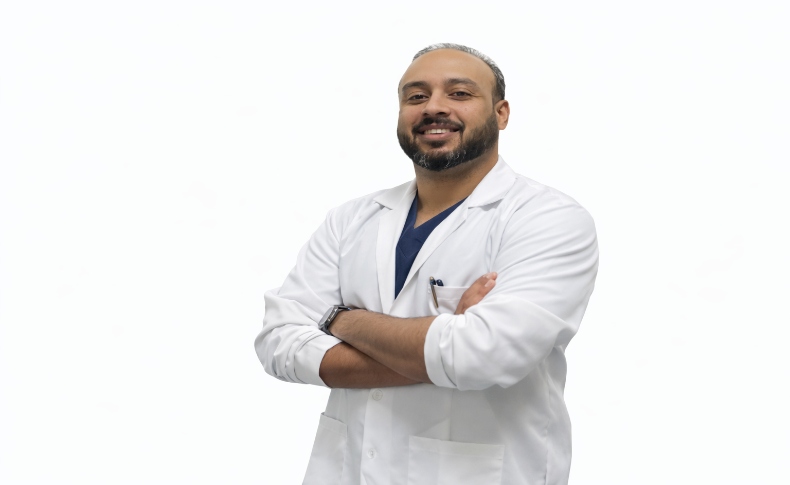
Dr. Lovedeep Singh Chauhan
Dr. Lovedeep Singh Chauhan is a Consultant in Surgical Oncology at Max Super Speciality Hospital, Mohali (2023–present). He has received advanced training in cancer surgery from leading national institutes and has academic, clinical, and research experience across multiple subspecialties of surgical oncology.


